Motorised Blinds & Automation for Copperleaf Homes
One remote, one app, every blind in the house — including the ones above the stairwell and the wide fairway-facing wall you'd never reach with a wand.
Control by app, schedule, or sensor
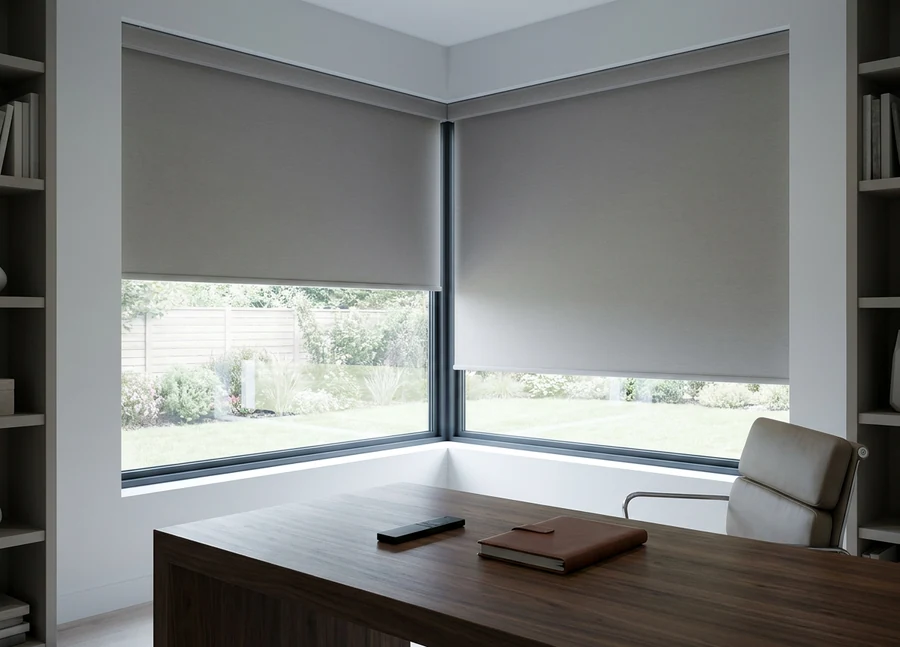
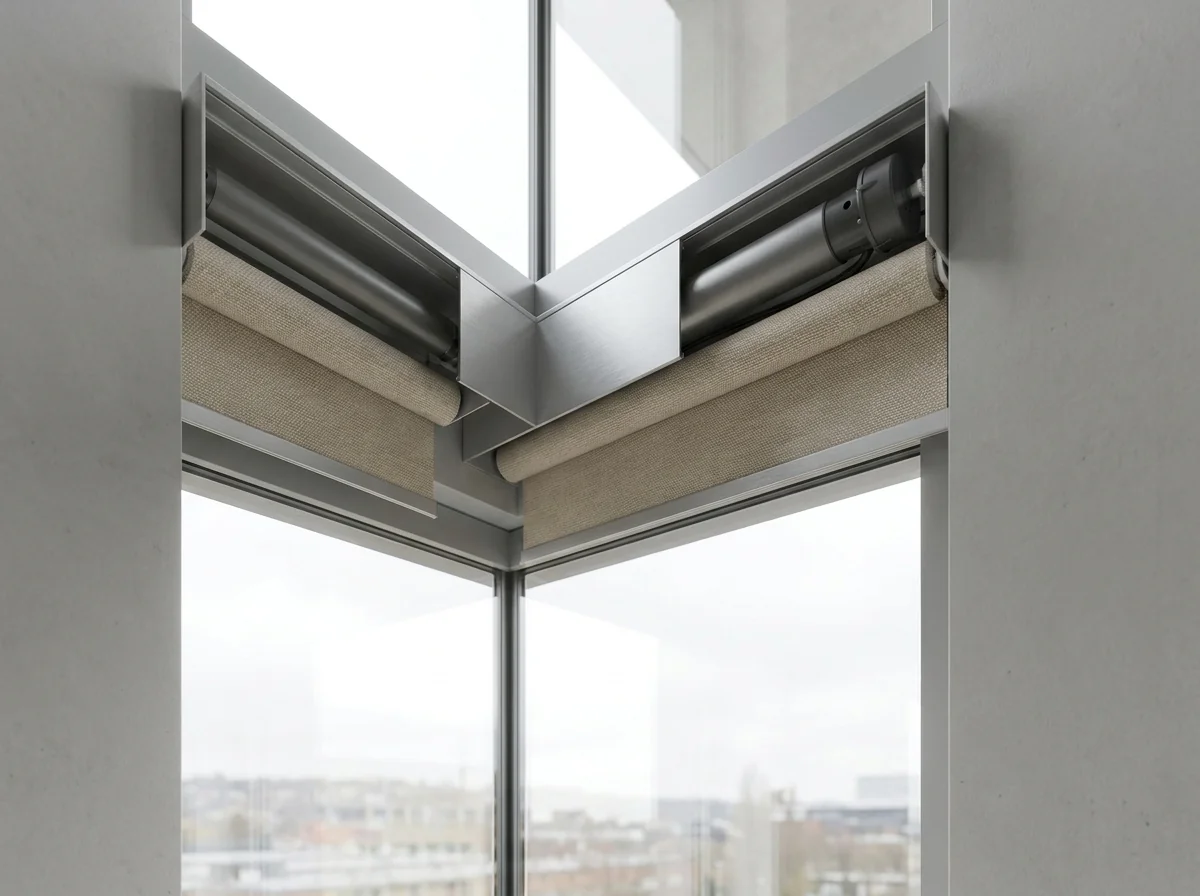
Tubular motors sit inside the blind roll, controlled by a wall switch, handset remote, phone app, or voice assistant. On Copperleaf's larger double-storey estate homes it's often the only practical answer — spans too wide or heavy for a chain, blinds above stair voids, or a wall of glass you want to run as a single unit from one button.
Beyond simple on/off control, schedules and sensors do the thinking for you: bedroom blinds that open with sunrise, west-facing living blinds that drop automatically as the afternoon sun swings round, and — critically for exterior products on a fairway elevation — wind sensors that retract awnings and external screens before a highveld storm can damage them.
- Rechargeable battery motors — no wiring, retrofit-friendly
- Wired 220V motors for new builds and heavy or exterior systems
- App control, sun sensors and sunrise/sunset schedules
- Wind-sensor auto-retract on every exterior install
- No dangling chains — the most child-safe operation there is
The double-volume argument
Estate architecture leans tall — double-volume living areas, glazed stairwells, gable windows above the reach of any wand. Motorisation is close to essential in these rooms, not a luxury add-on, and once the motors are in, grouping them by room, elevation or the whole home behind a single remote or app becomes the natural next step.
It also pairs naturally with external venetian blinds and folding-arm awnings — both are almost always motorised on a fairway-facing home, precisely so the wind sensor can protect them without anyone needing to be home.
What automation costs, plainly
Motorisation is never priced on its own, because the motor always belongs to a product. Look at the automated range as a whole and it spans R2,500 to R7,500 the square metre, fitted. A plain indoor roller, motorised, is the least expensive of them spread; an external system built to live outdoors through highveld summers is at the top.
Sensors, keypads and hubs are quoted as separate lines apart from the per-square-metre figure, so every window can be considered what deserves a motor and what does not. Small openings carry a minimum charge. Treat every figure here as orientation: the binding number follows the free measure, once the count of motors, what each drives and how each is powered are all known.
Motorising homes across Copperleaf and the neighbouring estates
Double-volume glazing and hard-to-reach windows aren't unique to Copperleaf — the same automation brief comes up across the whole belt we serve.
Not sure what needs a motor and what doesn't?
Bring your floor plan to the free in-home measure and we'll map out a sensible, room-by-room control layout.